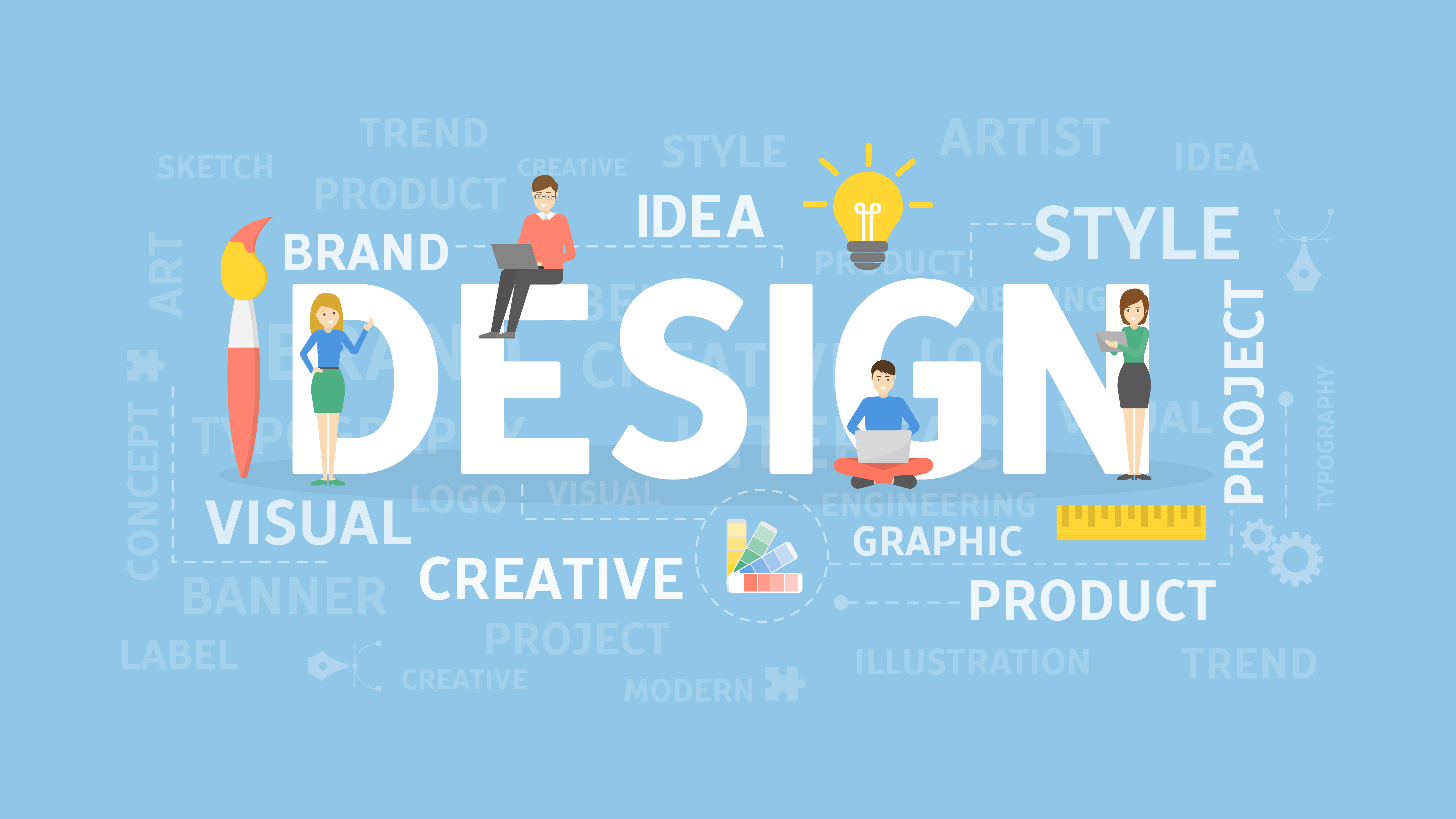
Graphic design is the art and practice of creating visual content to communicate messages. It involves combining typography, imagery, color, and layout to produce visually compelling designs that effectively convey ideas or concepts. Graphic designers use various tools such as software (e.g., Adobe Photoshop, Illustrator) to create designs for a wide range of mediums including websites, logos, print materials, advertisements, and packaging.
Graphic design can include:
Creates a Strong First Impression:
In a competitive market, the first thing potential customers notice about a business is its visual representation. A professional logo, website, or ad design can make a memorable first impression, attracting more attention to your business.Builds Brand Identity:
Graphic design plays a crucial role in establishing and maintaining a company’s brand identity. A well-designed logo, consistent color palette, and typography help create a cohesive image that communicates the essence of your business and sets you apart from competitors.Enhances Communication:
Visuals are often easier to digest than text, and good design helps businesses communicate more effectively. Whether it’s through infographics, presentations, or advertisements, graphic design simplifies complex messages and makes them visually engaging, ensuring the audience understands the message clearly.Boosts Credibility and Professionalism:
Professionally designed visuals increase trust and credibility. A well-designed website or marketing material reflects the professionalism and seriousness of your business. Poor or inconsistent design can make a business appear amateurish or unreliable.Increases Brand Recognition and Awareness:
Consistent, high-quality design builds familiarity with your brand over time. Whether it’s through packaging, social media posts, or advertisements, well-designed graphics help keep your business top of mind and ensure customers can recognize your brand instantly.Drives Conversion and Sales:
Great design enhances the overall user experience (UX), making your website or product more intuitive and appealing to use. Good visual design can guide users' attention to key areas like call-to-action buttons, increasing engagement and driving conversions, whether it’s signing up for a service, making a purchase, or contacting the business.Supports Marketing Efforts:
Effective marketing relies heavily on impactful visuals. Whether through digital ads, email campaigns, or printed materials, good graphic design captures attention, communicates value, and persuades the audience to take action, ultimately supporting marketing strategies and driving business growth.Differentiates from Competitors:
Unique, creative design helps set a business apart from its competitors. In a crowded market, having a distinct visual style and compelling designs can be the deciding factor in whether customers choose your brand over another.Facilitates Emotional Connection:
Graphic design evokes emotions and helps connect with the target audience on a deeper level. Through careful use of colors, typography, and imagery, graphic design can influence how people feel about a brand, product, or service, helping create loyal customers.